


The Chainsaw Meets the Network

ENRICH in LAC in Argentina — and the Paradox of Milei
Argentina brings to ENRICH in LAC one of the most remarkable science ecosystems in the developing world. Its new president is simultaneously dismantling that ecosystem at home and racing to open the doors to Europe like no Argentine leader before him.
eyesonguyana
There is a particular kind of irony that only political science can produce. Argentina is one of the four countries whose inclusion transformed ENRICH in LAC from a bilateral EU-Brazil initiative into a genuine regional network — a country selected, as the CORDIS fact sheet notes, due to its membership in the South American trade bloc MERCOSUR and its position on the Global Innovation Index. It brings to the partnership world-class researchers, a storied scientific tradition, and an innovation ecosystem of remarkable depth. And it is now governed by a president who has called its main science agency “unproductive,” cut its budget to levels not seen since 1972, and set about dismantling the very institutions that make Argentina worth partnering with in the first place.
Understanding what ENRICH in LAC means for Argentina requires holding two entirely contradictory truths at once: that the country is a genuine European scientific partner of strategic importance, and that under Javier Milei, the infrastructure supporting that partnership is under severe stress. The story is not simple. But it is one of the most consequential in the history of EU-Latin America relations.
Why Argentina Was Always a Special Case
The ENRICH in LAC project started as an innovation network with a focus on European Union and Brazil cooperation, but the four new countries — Argentina, Chile, Colombia and Uruguay — were chosen deliberately and carefully. For Argentina, the rationale was not merely economic. The country had built, over decades, a scientific infrastructure that was genuinely comparable to European standards in several fields.
In 2015, Argentina signed an Implementing Arrangement with the European Commission to provide opportunities for Argentinian investigators at CONICET to pursue research collaboration with teams led by European Research Council grant holders. That arrangement — placing Argentine scientists inside ERC-funded teams across Europe — was a mark of serious mutual recognition. Argentina is also very active within the regional EU-CELAC Joint Initiative for research and innovation, and co-chairs — together with France — the Working Group on bioeconomy and food security.
Related Posts:




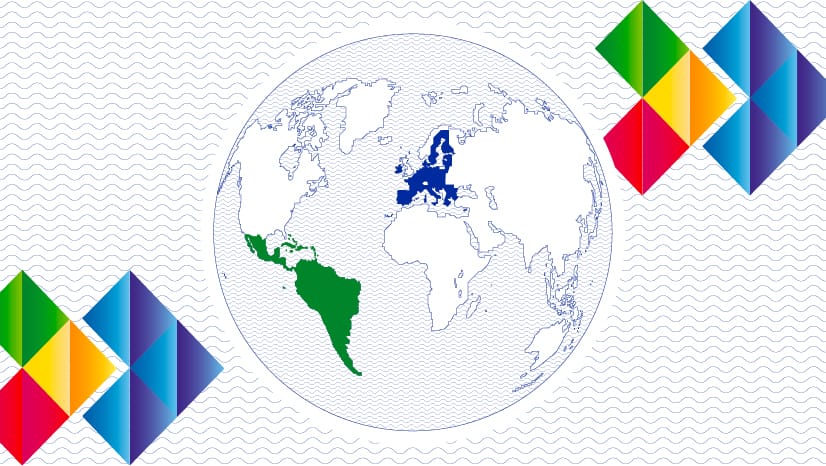
Co-chairing a working group with France is not a symbolic achievement. It reflects decades of accumulated scientific credibility, particularly in agriculture, food systems, and biotechnology. The EU’s Joint Research Centre cooperates with Argentina in nuclear energy, agriculture, water, climate, and ICT. Nuclear energy is the area where cooperation with the JRC is most advanced.
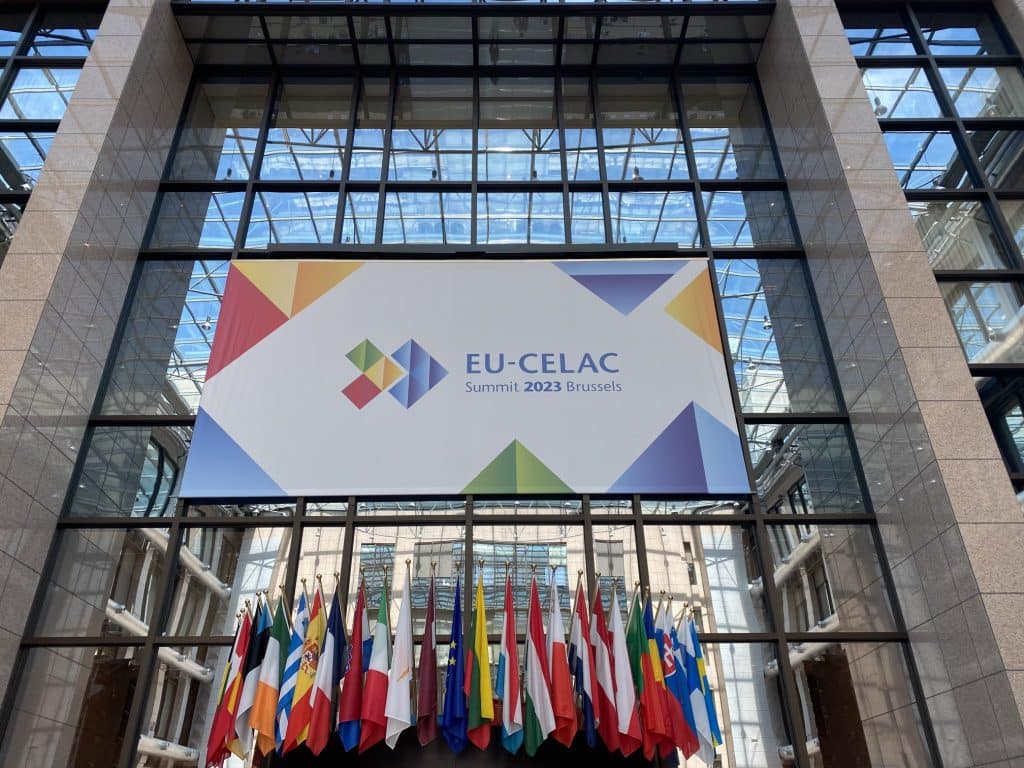
Within the ENRICH in LAC framework itself, Argentina participates across the network’s four flagship thematic pillars. The programme’s service portfolio focuses on building competences in bioeconomy, digitalisation, renewable energy, and sustainable urbanisation — precisely the sectors in which Argentina brings unique assets: the world’s third-largest soya complex, advanced biofuel legislation, significant wind and solar potential in Patagonia, and a biotech sector that punches well above its weight.
The ERC Connection: Argentine Scientists in European Laboratories
One of ENRICH in LAC’s most celebrated roles in Argentina has been acting as a gateway to the European Research Council — a body whose grants represent the gold standard of competitive scientific funding globally.
In 2022, two female researchers from Argentina were awarded ERC Consolidator Grants — an achievement highlighted by ENRICH in LAC and EURAXESS LAC as a landmark moment for the regional scientific community. The Consolidator Grant is designed for researchers seven to twelve years from their doctorate who are building or consolidating an independent research programme. Winning one from Argentina, without a European institutional affiliation, requires work of exceptional quality.
ERC Synergy Grants — designed for groups of up to four principal investigators tackling ambitious research questions — specifically allow one PI to be based outside of Europe, including in Argentina, Brazil, Chile, Colombia, or any other LAC country, with all partners funded by the ERC. This mechanism has opened a direct channel for Argentine researchers to lead or co-lead frontier European science without relocating permanently.
Marie Skłodowska-Curie Actions offer fellowships for post-doctoral researchers from Argentina to spend up to two years in a European research group — or, critically, for European researchers to spend up to two years in an Argentine laboratory. That reverse flow — European scientists going to Buenos Aires, Córdoba, or Bariloche — is one of ENRICH in LAC’s quieter but most significant achievements. It builds the person-to-person trust that no trade agreement or digital platform can replicate.
Bioeconomy: Argentina’s Most Strategic Partnership Domain
If there is one thematic area where the ENRICH in LAC-Argentina partnership has the deepest structural roots, it is bioeconomy — the use of biological resources, processes, and systems to produce food, materials, and energy in ways that are circular and sustainable.
Argentina is not a peripheral player in this field. Research on bioeconomic innovations in Argentina identifies cooperation with R&D organisations, the availability of human and technical resources, and high demand from Argentine producers for advanced technology products as the main innovation drivers. The country’s biotech sector — clustered around public-private partnerships involving CONICET, the National Institute of Agricultural Technology INTA, and major public universities — has produced internationally recognised breakthroughs in biosimilars, genome-edited seed traits, and animal cloning.
In 2023, the Argentine Ministry of Science launched a joint call with the Inter-American Institute for Cooperation on Agriculture for bioeconomy projects in technologies applied to agriculture, as part of scientific-technological cooperation efforts across the Americas. Projects selected under that call ran parallel to, and in some cases directly fed into, the thematic streams that ENRICH in LAC has prioritised across the region.
Horizon Europe calls specifically focused on digital and industrial technologies have targeted Argentina — alongside Mexico, Brazil, and other countries in the BELLA network — with proposals expected to develop strategic R&I partnerships covering Cloud, IoT, and 5G, and to promote EU values for a human-centric digital transformation. Argentina’s RedCLARA membership, which connects its universities and research institutions to the global research internet, ensures that the technical infrastructure for these partnerships exists and functions.
The Twinning Programme and Outreach Grants: Connecting SMEs Across Continents
Beyond the high-level research architecture, ENRICH in LAC has built operational programmes that deliver results for individual companies and researchers on the ground.
In 2022, ENRICH in LAC launched two calls for Outreach Grants to support European and Latin American research-driven SMEs to connect their markets and explore possibilities for cooperation — supporting Argentine entrepreneurs in scouting European partners for joint R&I projects. The grants were specifically targeted at small companies engaged in the four priority thematic areas, reducing the financial barrier to international market entry that has historically deterred Argentine SMEs from engaging with European innovation networks.
ENRICH in LAC also delivered its Twinning Programme, a concept proof initiative aimed at connecting Latin America and Europe. Twinning — pairing an emerging innovation institution with an established European counterpart — is one of the most effective mechanisms for transferring not just technology but organisational culture, governance practice, and long-term relationship capital.
More recently, the EU-LAC Digital Accelerator, in partnership with ENRICH in LAC, has demonstrated the practical power of this model: with over 45 corporates involved and 65 matches leading to 9 confirmed partnerships, it has created meaningful relationships between startups and corporates across continents. Argentine companies have been participants in this ecosystem, competing for corporate challenge opportunities and accessing in-kind services valued at up to €30,000 per partnership.
Enter the Chainsaw: Milei’s Science Policy and Its Consequences
And then came December 2023.

For the first time in two decades, Argentina’s scientific community began experiencing substantial job losses and funding cuts as a result of austerity policies. Argentina’s main science agency, CONICET, lost about 1,000 staff — 9% of its workforce — since Milei took office, while overall government spending on research declined by 31%, to about $1.2 billion.
State investment in science and technology fell by 32.9% compared to 2023 — the largest reduction since 1972, when funds began to be measured. Some provinces suffered cuts of up to 70%, and 13 districts lost half or more of their science budgets.
CONICET’s budget fell by 25.5% in real terms in Milei’s first year. Funding for the National Agency for the Promotion of Research, Technological Development and Innovation dropped by 65.5%. Researchers began improvising: converting water bottles into insect breeding cages, running only two of seven field trucks because the institute couldn’t afford the insurance on the others, waiting months to publish papers because no one could afford open-access fees.
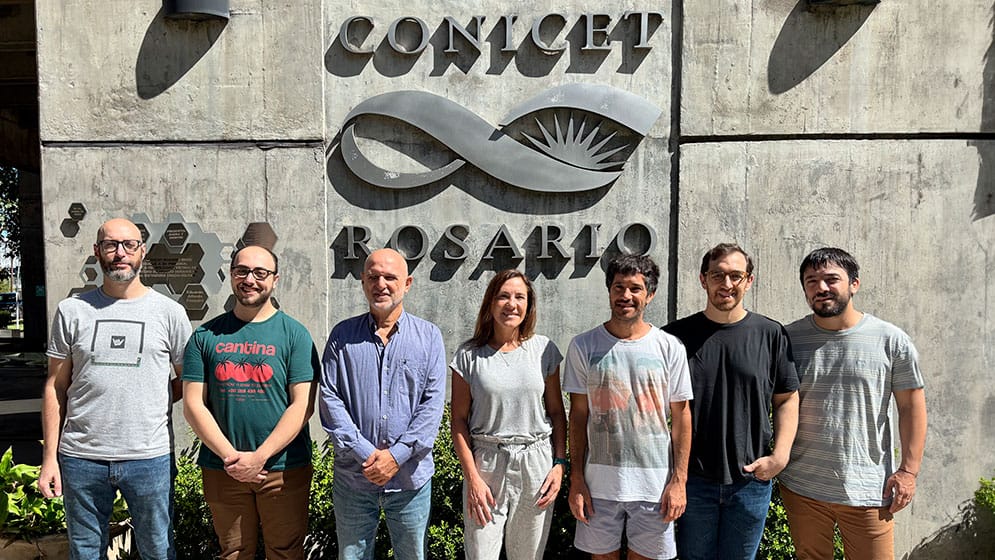
The losses included 598 staff scientists and 457 early-career scientists on fellowships. CONICET has seen a 30% reduction in employment applications, suggesting it will be difficult for the agency to recruit new talent. The brain drain is real and accelerating. At the University of Buenos Aires, one microbiologist reported that 40% of the roughly 60 scientists in his department were pursuing emigration.
For ENRICH in LAC, these cuts create a structural problem. The network’s value depends on Argentine institutions having the capacity to engage — to send researchers to Europe, to host European scientists, to apply for ERC grants, to participate in Horizon Europe consortia. A CONICET gutted of talent and budget is a weaker ENRICH in LAC partner.
The Paradox: Milei the Destroyer and Milei the Free Trader
Yet the relationship between Milei’s Argentina and the EU-Argentina innovation partnership is not simply a story of destruction. It contains a genuine and historically significant paradox.
While slashing domestic science funding, Milei has simultaneously done something no Argentine president in a generation has managed: he shepherded the EU-Mercosur Free Trade Agreement across the finish line with startling speed.
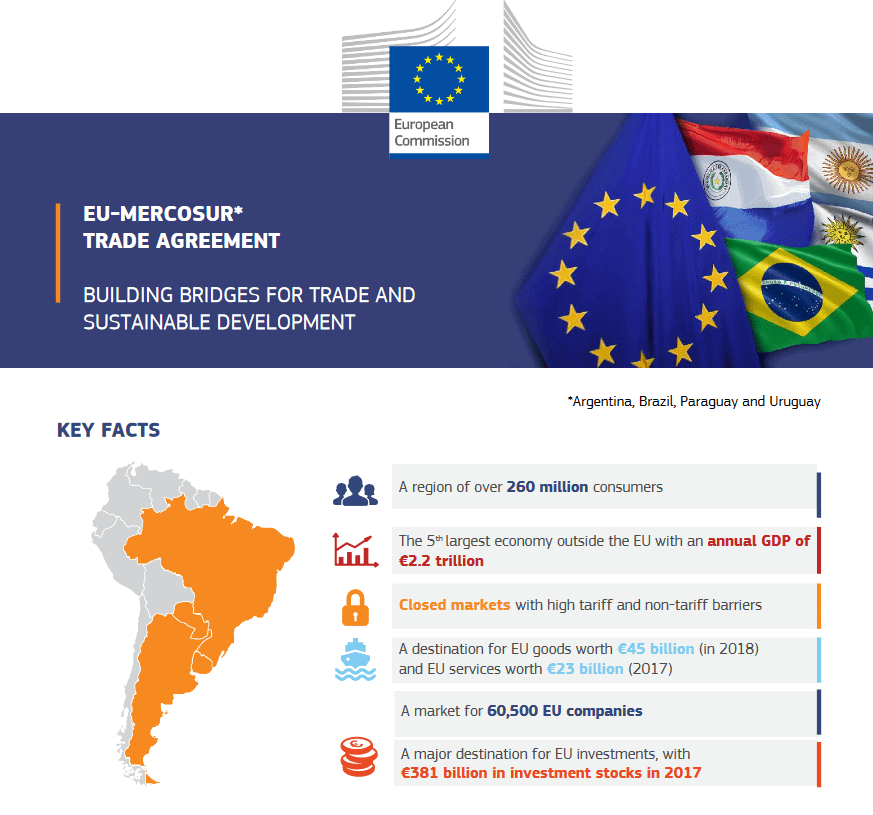
The EU-Mercosur FTA was signed on 17 January 2026 in Asunción after more than two decades of negotiations. The pact aims to create an integrated economic space of more than 700 million consumers, with broad tariff reductions and shared trade rules. And on the ratification front, Argentina became the first Mercosur country to secure an initial legislative green light for the agreement, after its Chamber of Deputies approved the text. President Milei had submitted the bill to Congress on 6 February and placed it on the agenda for extraordinary sessions.
Foreign Minister Pablo Quirno articulated the Milei government’s vision in stark terms: “Argentina, led by President Javier Milei, is deciding to compete, produce and grow with clear rules and in liberty.” The EU will eliminate tariffs on 92% of Argentine exports and grant preferential access to a further 7.5%.
The Milei Administration foresees the FTA providing a trade stimulus in sectors where Argentina holds a competitive advantage — agribusiness and commodities — with citrus fruits, vegetables, and cotton benefiting from tariff reductions phased in over four to ten years, and tariffs on Argentine wines gradually eliminated over an eight-year period.
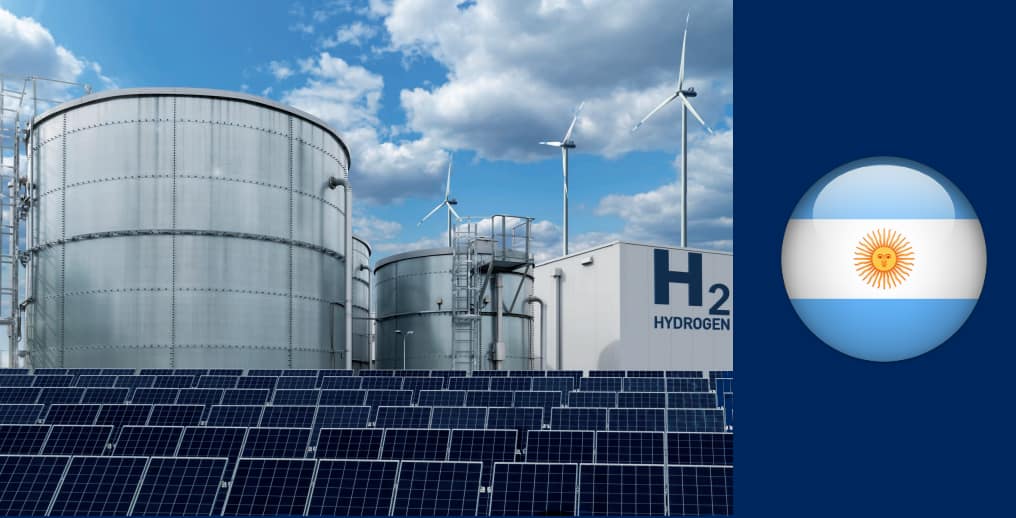
Meanwhile, a joint briefing paper released in April 2025 identified four sectors where Milei’s reforms create the conditions for a new wave of innovation-driven growth: Agriculture Technology (Ag-Tech), Green Hydrogen, Lithium Production, and Innovative Consumer Products — noting that Milei’s approach resulted in a fiscal surplus, declining inflation, improved credit ratings, and positive reactions from foreign investors.
These are, not coincidentally, four of the sectors where ENRICH in LAC’s thematic focus — bioeconomy, renewable energy, sustainable urbanisation, and ICT — most directly applies.
A Partnership at a Crossroads
The honest assessment of ENRICH in LAC’s Argentina chapter in the Milei era is this: the macro opportunity is larger than at any point in the history of the relationship, and the institutional capacity to realise it is simultaneously under the greatest strain.
A free trade agreement that eliminates tariffs on 92% of exports creates the commercial scaffolding for deeper R&I partnership. A president genuinely committed to private-sector-led growth and open markets is, in principle, an ally for a network whose whole model is entrepreneurial and market-oriented. Milei’s proposed law to accelerate the transfer of scientific and technological knowledge to private entities — designed to aid the transfer of scientific and technological knowledge from public research to private entities — could, if well designed, channel what remains of Argentina’s public science budget toward the applied innovation that ENRICH in LAC most facilitates.
But a CONICET with 1,000 fewer researchers, a national science budget down by a third, and a generation of scientists actively pursuing emigration is not a CONICET that can fully leverage ERC Synergy Grants, Horizon Europe calls, and Marie Curie fellowships.
The window is open. The bridge is built. The question is whether there are enough engineers left on the Argentine side to walk across it.
The EU-Mercosur Free Trade Agreement was signed in January 2026 and is currently undergoing ratification processes in Mercosur member states. Argentina was the first country to pass an initial legislative vote in favour. The Horizon Europe programme for 2025–2027 remains open for participation by Argentine researchers and institutions through established implementing arrangements.