


🇺🇸🇧🇷 Tariffs, Tensions, and Trade Wars

How Brazil Found Itself in Washington’s Crosshairs
eyesonguyana
Amsterdam, July 11th, 2025 – In a dramatic escalation of economic pressure, U.S. President Donald Trump has announced a sweeping 50% tariff on all Brazilian imports starting August 1st—a move that stunned global markets and ignited a firestorm of political debate. While the official rationale cites Brazil’s “unfair trade practices,” the underlying motivations appear far more complex, rooted in geopolitics, judicial proceedings, and ideological clashes.
🔥 The Spark Behind the Sanctions
Trump’s letter to President Lula da Silva was anything but diplomatic. He condemned Brazil’s treatment of former President Jair Bolsonaro, calling his trial “an international disgrace,” and accused Brazil’s Supreme Court of issuing “illegal censorship orders” against U.S. tech platforms. The tariff, then, is not just economic—it’s a political rebuke.
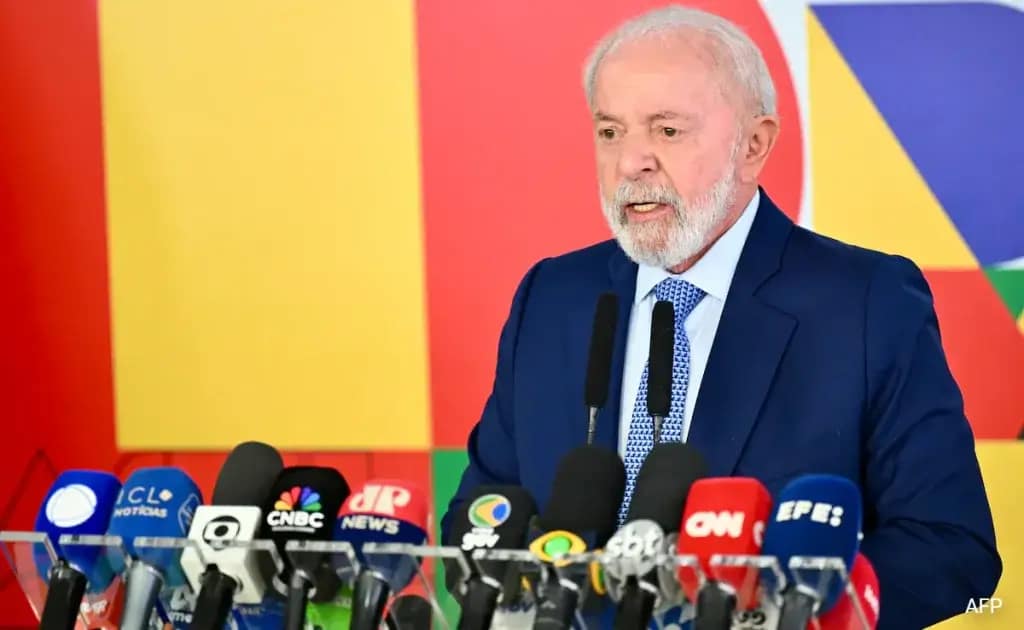
From Washington’s perspective, Brazil’s current government is seen as increasingly authoritarian, with accusations of judicial overreach, suppression of dissent, and human rights violations. The U.S. State Department’s 2023 Human Rights Report on Brazil cited extrajudicial killings, torture, and systemic abuses by law enforcement, particularly against Afro-Brazilians and marginalized communities. These concerns, coupled with Brazil’s growing alignment with BRICS and its push for alternatives to the U.S. dollar, have made it a target for Trump’s aggressive trade agenda.
🛑 What Could Brazil Do to Avoid These Sanctions?
From a U.S. standpoint, Brazil would need to:
Related Posts:






- Reaffirm democratic norms and ensure judicial independence without political interference.
- Address human rights violations, particularly those involving police brutality and prison conditions.
- Ease restrictions on U.S. tech companies, especially regarding content moderation and data policies.
- Distance itself from anti-American rhetoric and BRICS-led initiatives that challenge U.S. economic dominance.
In short, Washington wants Brazil to play by its rules—both economically and ideologically.
🇦🇷 Argentina’s Milei: A Case Study in Strategic Alignment
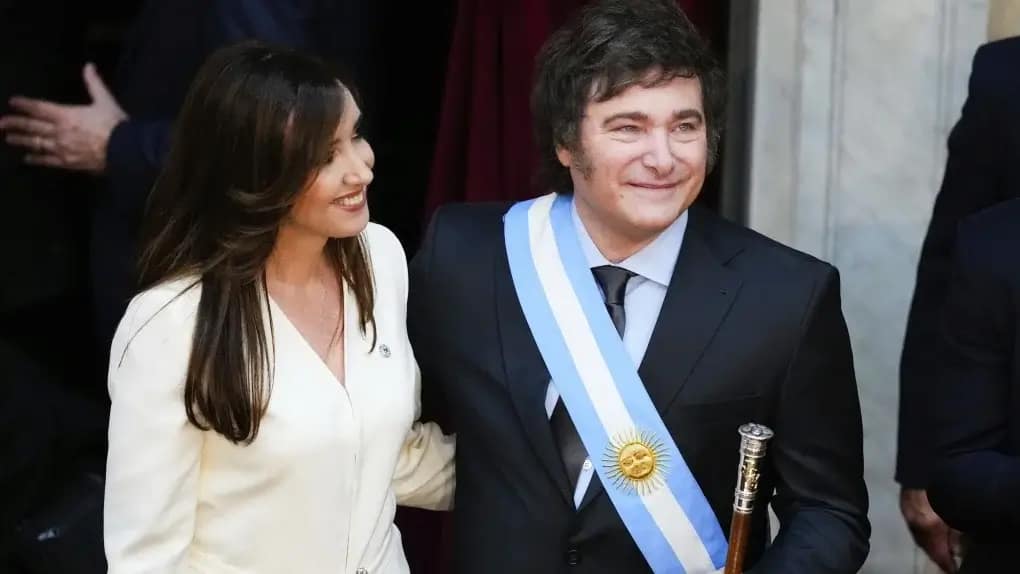
While Brazil faces punitive tariffs, Argentina under President Javier Milei is negotiating exemptions for up to 80% of its exports to the U.S., including wine, lemons, and cotton. Despite also being on Trump’s tariff list, Milei’s pro-U.S. stance, willingness to facilitate American exports, and ideological alignment with Trump have earned Argentina a more favorable treatment.
Milei’s administration has:
- Avoided direct confrontation with Washington, even when faced with tariffs.
- Engaged in quiet diplomacy, securing bilateral talks and trade carve-outs.
- Positioned Argentina as a reliable partner, especially amid U.S.-China tensions.
This contrast highlights a strategic lesson: ideological proximity and diplomatic pragmatism can soften the blow of protectionist policies.
🌐 A Trade War with Political Undertones
This isn’t just about steel, soybeans, or coffee. It’s about who sets the rules of engagement in the Western Hemisphere. Trump’s tariffs are a warning shot—not just to Brazil, but to any nation that challenges U.S. influence or embraces multipolarity.
Whether Brazil chooses confrontation or recalibration remains to be seen. But as Argentina courts Washington and BRICS pushes for a new global order, the battle lines are being drawn—not just in trade, but in values.