


Guyana’s Rising Stakes

How Maduro’s Arrest Could Reshape Oil and the Essequibo
eyesonguyana
🌍 A New Chapter in the Region
The arrest of Venezuela’s president Nicolás Maduro by U.S. forces under Donald Trump has sent shockwaves across South America. For Guyana, a nation already in the global spotlight due to its booming oil discoveries, this moment could redefine its trajectory. The Essequibo region—long disputed by Venezuela—now sits at the heart of speculation about what comes next.
⛽ Oil Sector: From Boom to Geopolitical Leverage

Guyana’s oil industry has been expanding at breakneck speed, with ExxonMobil and other giants investing billions in offshore fields. Maduro’s removal could accelerate Guyana’s rise in several ways:
- Reduced Venezuelan Competition: Venezuela’s oil sector, crippled by sanctions and political turmoil, may remain paralyzed. Guyana could step into the vacuum as a reliable supplier.
- Investor Confidence: With Maduro gone, fears of Venezuelan aggression may ease, making Guyana even more attractive to foreign investors.
- Strategic Partnerships: The U.S. and other Western powers may deepen ties with Guyana, seeing it as a stable energy partner in a volatile region.
🗺️ The Essequibo Question
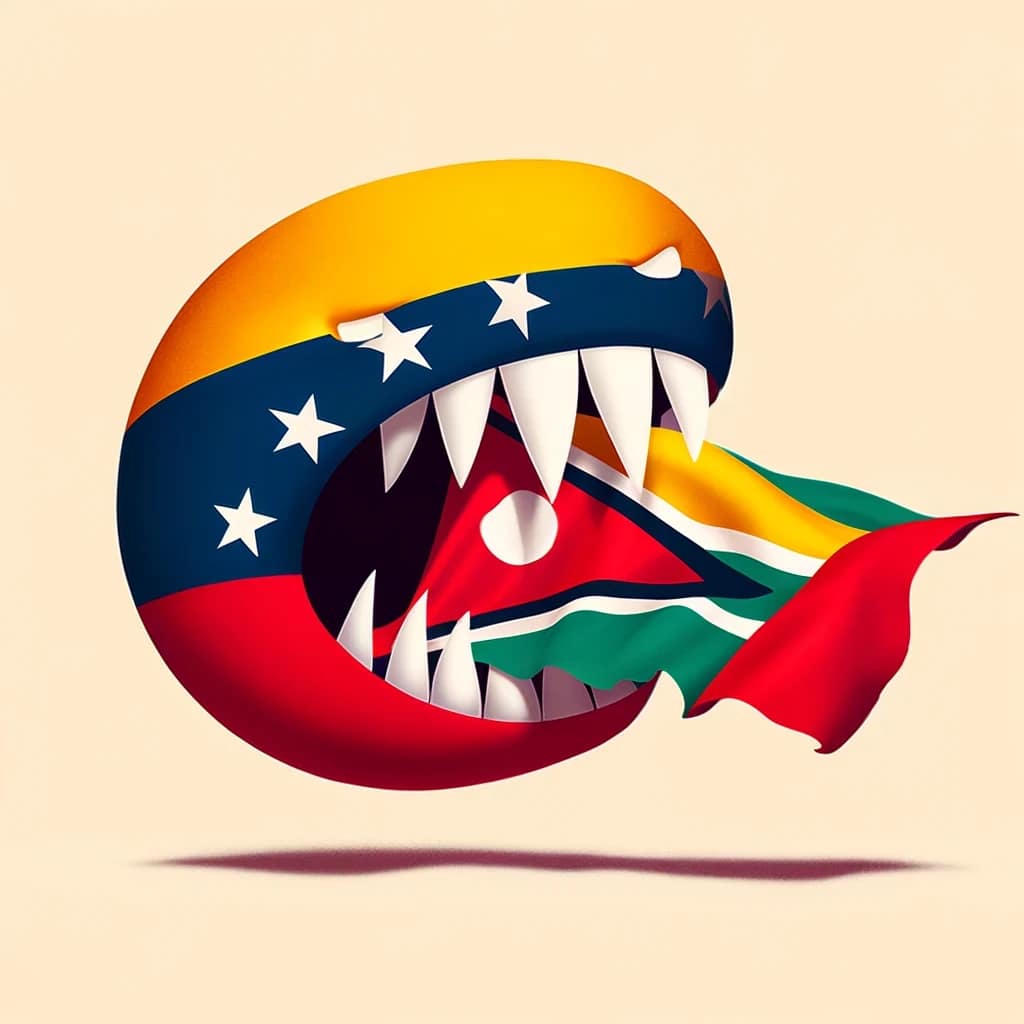
The Essequibo region, rich in resources and covering two-thirds of Guyana’s territory, has been claimed by Venezuela for decades. Maduro’s arrest changes the calculus:
- Opportunity for Resolution: A weakened Venezuelan state may deprioritize territorial claims, opening the door for Guyana to consolidate control.
- Risk of Fragmentation: Conversely, nationalist factions in Venezuela could double down on the Essequibo issue, using it as a rallying cry in the absence of Maduro.
- International Backing: Guyana may gain stronger diplomatic support from the U.S. and CARICOM, reinforcing its sovereignty over Essequibo.
⚖️ Balancing Benefits and Risks
While Guyana stands to benefit, the situation is far from simple:
Related Posts:





- Economic Windfall: Oil revenues could soar, funding infrastructure and social programs.
- Geopolitical Exposure: Aligning too closely with Washington risks alienating regional partners who view U.S. intervention with suspicion.
- Security Concerns: Border tensions may persist, especially if Venezuelan militias or political remnants exploit instability.
Table: Guyana’s Strategic Outlook
| Area | Potential Benefit | Possible Risk |
|---|---|---|
| Oil sector | Increased investment, global energy role | Overdependence on U.S. policy |
| Essequibo | Stronger sovereignty claims | Venezuelan nationalist backlash |
| Diplomacy | Closer U.S. & CARICOM ties | Regional polarization |
✨ In essence, Guyana stands at a historic crossroads. Maduro’s arrest could cement its rise as an oil powerhouse and secure its contested territory, but it also thrusts the nation deeper into the currents of great-power politics. The choices Guyana makes now—between cautious diplomacy and bold assertion—will shape not only its future but the balance of power in northern South America.